The wrong wetsuit doesn’t just feel uncomfortable-it can cut your session short.
Too thin, and you’ll get cold fast; too thick, and you’ll fight the suit with every paddle, kick, or dive. The right wetsuit balances warmth, flexibility, fit, and comfort for the water you actually spend time in.
This guide breaks down wetsuit thickness, temperature ratings, seam types, materials, and fit so you can choose with confidence. Whether you surf, swim, dive, paddle, or train in open water, the goal is simple: stay warmer, move better, and last longer in the water.
Wetsuit Thickness and Water Temperature: What the Numbers Really Mean
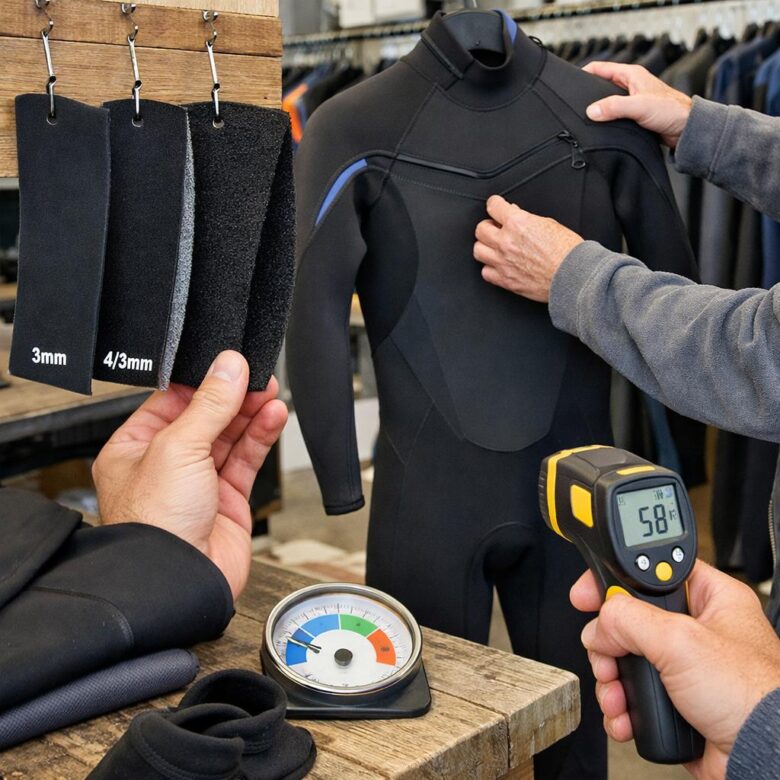
Wetsuit thickness is usually shown as numbers like 3/2mm, 4/3mm, or 5/4mm. The first number is the thicker neoprene around your core, where heat loss matters most, while the second number is thinner neoprene in the arms and legs for easier paddling, swimming, or diving.
As a practical guide, a 3/2mm wetsuit often suits mild water around 60-68°F, a 4/3mm is better for cooler surf around 52-60°F, and a 5/4mm or 5/4/3mm is common for cold water below that. For example, someone surfing in Southern California in spring may feel fine in a sealed 3/2mm, while the same suit in Oregon winter would likely feel underpowered fast.
- 3/2mm: flexible, good for warmer surfing, paddleboarding, and casual water sports.
- 4/3mm: a strong all-round option for colder mornings and longer sessions.
- 5/4mm+: better insulation for winter surfing, scuba diving, and cold-water training.
Thickness is not the only factor. Seam construction, lining quality, wind chill, session length, and your own cold tolerance can change what feels comfortable; checking local sea temperatures on Surfline before buying can save you from choosing the wrong wetsuit.
If you are comparing wetsuit cost, do not judge by thickness alone. A premium 4/3mm with sealed seams, thermal lining, and a good zipper system may feel warmer and last longer than a cheap 5/4mm that flushes water through the neck or back.
How a Wetsuit Should Fit: Sizing, Mobility, Seals, and Comfort Checks
A wetsuit should fit like firm compression gear: snug everywhere, but not painful or restrictive. If you can easily pinch large folds of neoprene at the lower back, chest, or underarms, it is too loose and will let cold water flush through. If your breathing feels limited or your shoulders burn before you enter the water, size up or try a different wetsuit brand.
Use the manufacturer’s wetsuit size chart, but treat it as a starting point, not a final answer. Height and weight matter, yet torso length, shoulder width, and thigh shape often decide the real fit. For example, a surfer with broad shoulders may need a “large short” or chest-zip model even if the basic chart suggests medium.
- Mobility: Raise both arms overhead, squat, and mimic paddling. The suit should stretch without pulling hard at the neck or crotch.
- Seals: Check the neck, wrists, and ankles. They should sit flat against the skin, not gape or cut circulation.
- Comfort: Look for rubbing points around the collar, zipper, knees, and seams before committing.
In real surf shops, I’ve seen many buyers choose a loose wetsuit because it feels comfortable dry, then complain about cold water entry later. A proper wetsuit fit often feels tighter on land but improves once wet. If you are buying online, compare sizing notes on platforms like Wetsuit Wearhouse and choose retailers with easy returns, because exchange cost and return policy can matter as much as the wetsuit price.
Common Wetsuit Buying Mistakes: Overlooking Conditions, Materials, and Long-Term Wear
One of the biggest wetsuit buying mistakes is choosing thickness based only on air temperature. Water temperature, wind chill, session length, and activity level matter more. For example, a 3/2mm wetsuit may feel fine for a quick summer surf, but it can leave you cold during a windy two-hour paddle or early-morning dive.
Before buying, check local water conditions using tools like Surfline, Windy, or NOAA marine forecasts. This helps you avoid overspending on an overly thick wetsuit or underbuying and needing a second suit later. Cold-water surfers, open-water swimmers, and scuba divers often need better seam construction, not just more neoprene.
- Ignoring seam quality: Flatlock seams are cheaper but let in more water; glued and blind-stitched seams offer better thermal protection.
- Buying the wrong neoprene type: Super-stretch neoprene improves comfort, while cheaper panels may restrict paddling and wear faster.
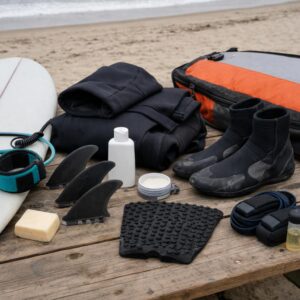
- Skipping maintenance costs: Wetsuit shampoo, a proper hanger, and occasional wetsuit repair glue can extend the life of the suit.
Long-term wear is where budget wetsuits can become expensive. A low-cost suit with weak knee pads, poor zipper sealing, or loose cuffs may flush water and lose warmth quickly. If you surf weekly, investing in a durable wetsuit from a reputable surf shop with a clear warranty policy is often better value than replacing a bargain suit every season.
Summary of Recommendations
Choosing the right wetsuit comes down to matching real conditions with how your body feels in the water. Do not buy based on thickness alone; prioritize a secure fit, suitable warmth, and freedom of movement for your activity.
Practical takeaway: if you are between options, choose the suit that keeps you comfortable for the longest session without restricting paddling, swimming, or flexibility. A well-fitted wetsuit should feel snug on land, reliable in the water, and appropriate for the coldest conditions you realistically expect to face.