Buying the wrong surf accessory can make your first sessions harder, colder, and more frustrating than they need to be.
For beginners, surf accessories are not about looking the part-they affect safety, comfort, board control, and how quickly you build confidence in the water.
From leashes and wax to wetsuits, fins, traction pads, and board bags, each item has a specific job, and choosing poorly can cost you time, money, or even your board.
This guide breaks down the essential surf accessories every new surfer should understand before buying, so you can gear up smart and spend more energy catching waves.
Essential Surf Accessories for Beginners: What Each Item Does and Why It Matters
The right surf accessories make your first sessions safer, cheaper, and less frustrating. A beginner does not need every premium device in the surf shop, but a few items protect your board, your body, and your time in the water.
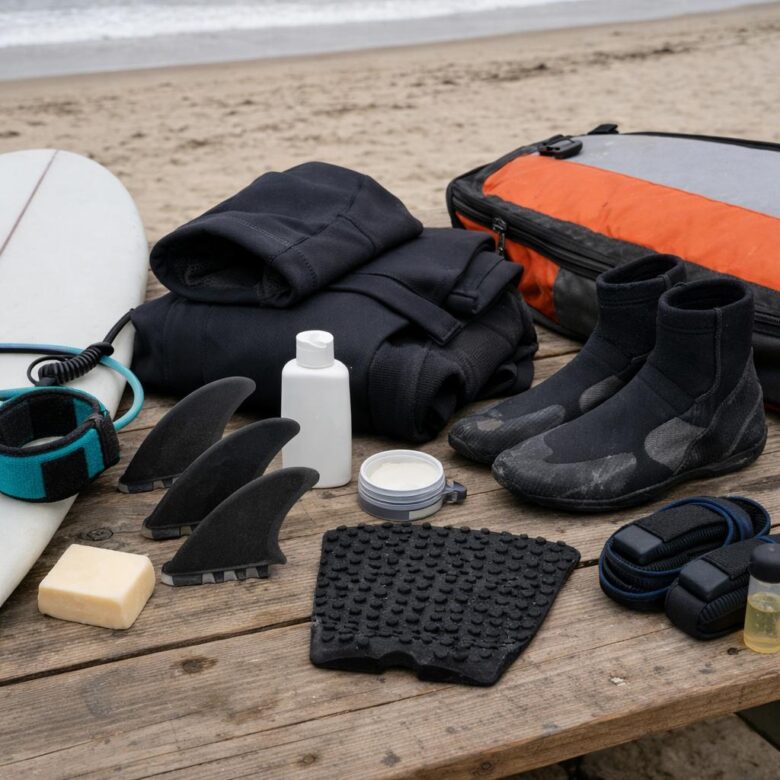
- Surf leash: This keeps your board attached to your ankle after a fall. In waist-high surf, a loose board can hit another surfer or get pushed into rocks, so choose a leash close to your board length.
- Surf wax or traction pad: Wax gives your feet grip on a foam or hard-top board. Cold-water wax feels different from tropical wax, so match it to the water temperature instead of buying the cheapest option.
- Wetsuit or rash guard: A wetsuit adds warmth and sun protection, while a rash guard helps prevent board rash in warm climates. Fit matters more than brand; loose neoprene flushes with water and feels heavy fast.
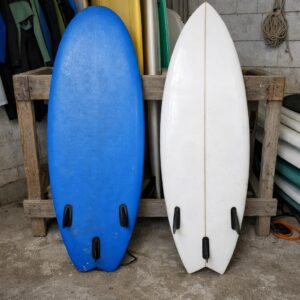
Fins also deserve attention because they affect stability, turning, and control. Many beginner surfboards use soft or removable fins, and replacing a damaged fin is often cheaper than repairing a cracked fin box.
A basic board bag, reef-safe sunscreen, and a small ding repair kit can save real money over time. For example, I’ve seen beginners finish a lesson, drag the board across a parking lot, and create rail damage that a simple day bag would have prevented.
Before driving to the beach, check conditions with Surfline or a similar surf forecast app. Knowing tide, wind, and wave height helps you avoid unsafe sessions and makes every surf accessory work the way it should.
How to Choose Beginner Surf Gear Based on Board Type, Water Conditions, and Skill Level
Your surf accessories should match the board you ride, not just what looks good online. A soft-top longboard usually needs a longer leash, softer fins, and plenty of surf wax or a traction pad, while a beginner shortboard setup may require a stronger leash, fin key, and a reliable board bag for transport and storage.
Water conditions matter just as much. In warm, gentle beach breaks, basic surf gear like reef-safe sunscreen, a rash guard, and a standard leash may be enough. In colder water, the real cost comes from a quality wetsuit, booties, and gloves because poor insulation can cut a session short fast.
- Small waves: prioritize comfort, stability, and easy paddling accessories.
- Rocky or reef breaks: add booties, a ding repair kit, and stronger fins.
- Cold water: invest in wetsuit thickness, sealed seams, and changing gear.
A real-world example: a beginner using an 8-foot foam board at a sandy beach does not need premium carbon fins, but they should buy a 9-foot leash, soft racks, and a waterproof key lock. Checking local surf reports on Surfline before buying gear also helps you avoid overspending on equipment that does not match your usual conditions.
As your skill improves, upgrade slowly. Spend first on safety, warmth, and board protection, then consider performance accessories like fin upgrades or higher-end traction pads.
Common Surf Accessory Buying Mistakes That Waste Money or Slow Progress
One of the biggest mistakes beginners make is buying surf accessories based on looks instead of fit, safety, and conditions. A premium traction pad, expensive surf watch, or carbon-fiber fins will not help much if your leash is the wrong length or your wetsuit leaves you cold after 20 minutes.
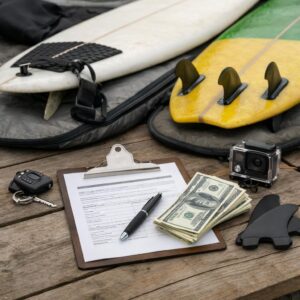
Start with the accessories that protect your body and keep you in the water longer: a correctly sized leash, suitable wetsuit thickness, reef-safe sunscreen, and soft roof racks if you transport your board by car. I’ve seen new surfers spend heavily on action cameras before buying a decent changing poncho, then cut sessions short because they were freezing in the parking lot.
- Buying the cheapest leash: A weak leash can snap in bigger whitewater, risking board damage and injury to others.
- Ignoring local water temperature: Check surf reports on Surfline before choosing wetsuit thickness or booties.
- Overbuying gadgets too early: GPS surf watches and camera mounts are useful later, but they do not replace time spent paddling and reading waves.
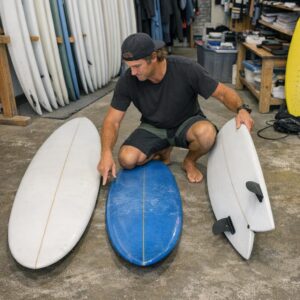
Another costly error is not matching accessories to your board type. Longboards, foam boards, and shortboards often need different leash lengths, fin setups, and travel bags. If you are unsure, ask a local surf shop what works for your beach rather than relying only on online reviews, because wave power, rocks, wind, and parking logistics all change what is actually worth paying for.
Final Thoughts on Best Surf Accessories Every Beginner Should Understand Before Buying
Buying surf accessories as a beginner should be less about collecting gear and more about making smart, confidence-building choices. Start with items that improve safety, comfort, and consistency, then upgrade as your skills and local conditions demand it.
Choose accessories that match your board, body, climate, and surf goals-not just what looks popular. When in doubt, prioritize quality basics over cheap extras. The right gear will not make you surf better overnight, but it will help you stay protected, practice longer, and build good habits from your very first sessions.