What happens when a $1,200 surfboard snaps before you even reach the lineup?
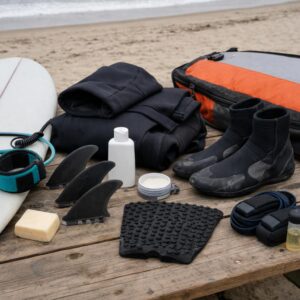
For many surfers, the board is only part of the risk-wetsuits, fins, leashes, racks, cameras, and travel bags can add up to thousands of dollars in gear.
Surfboard insurance can help cover theft, accidental damage, transit mishaps, and travel-related losses, but the fine print matters more than the marketing.
This guide breaks down what surf gear insurance actually covers, where standard home or travel policies fall short, and how to choose protection that fits the way you surf.
What Surfboard Insurance Covers-and Why Expensive Surf Gear Needs Protection
Surfboard insurance is designed to protect high-value boards and related equipment from losses that a standard homeowners insurance or renters insurance policy may not fully cover. Depending on the policy, coverage can include theft, accidental damage, fire, vandalism, transit damage, and sometimes loss while traveling with your board.
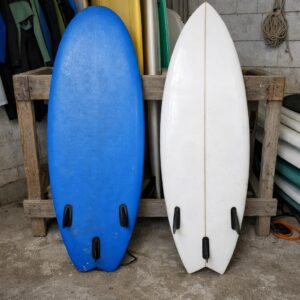
The details matter. A custom longboard, carbon shortboard, foil board, or premium SUP can cost enough that a basic personal property deductible may wipe out most of the claim benefit.
- Replacement cost coverage: pays closer to the cost of buying a similar new board, instead of a depreciated value.
- Scheduled personal property: lets you list expensive surf gear separately with clearer coverage limits.
- Travel protection: may help if an airline, hotel, or rental vehicle situation damages your board in transit.
A real-world example: if your $1,800 performance shortboard is cracked by an airline, the carrier may ask for photos, receipts, and proof of condition before travel. Keeping board serial numbers, purchase invoices, and damage photos in a tool like Google Drive or Sortly makes the insurance claim process much smoother.
Expensive surf gear also includes fins, leashes, wetsuits, board bags, roof racks, and repair tools, but these accessories may have separate limits. Before buying a surfboard insurance policy, compare the insurance quote, deductible, exclusions, worldwide coverage, and whether damage during competitions or commercial use is covered.
How to Insure a Surfboard: Homeowners, Renters, Travel, and Specialty Gear Policies Compared
The best surfboard insurance option depends on where the board is damaged or stolen. A homeowners insurance or renters insurance policy may cover a surfboard if it is stolen from your garage, apartment, or locked vehicle, but coverage is usually subject to your deductible and policy limits. If your $1,400 longboard is stolen and your deductible is $1,000, the claim may not be worth filing.
For boards used at home and on local trips, ask your insurance agent about a scheduled personal property endorsement. This can list the board by value, sometimes with broader coverage for accidental damage. Keep receipts, serial numbers, photos, and a current replacement cost estimate in a cloud folder like Google Drive so you can document a claim quickly.
- Homeowners or renters insurance: Best for theft from home, storage units, or vehicles, but check exclusions for sports equipment in use.
- Travel insurance: Useful for airline damage, lost baggage, or delayed gear on surf trips, especially with expensive board bags.
- Specialty gear insurance: Better for high-value quivers, custom boards, pro-level equipment, and accidental breakage coverage.
In real life, airline damage is where many surfers get caught. A travel insurance policy may reimburse damaged sports equipment, but only if the surfboard was properly packed and you file a report with the airline before leaving the airport. Take photos at check-in and again at baggage claim.
Before buying coverage, compare the premium, deductible, claim process, exclusions, and whether the policy pays actual cash value or replacement cost. That detail matters.
Common Surfboard Insurance Mistakes That Lead to Denied Claims or Underpaid Replacements
One of the biggest mistakes is assuming your homeowners insurance or renters insurance automatically covers a high-end surfboard at full replacement cost. Many policies limit sporting equipment coverage, exclude damage during use, or only pay actual cash value after depreciation, which can leave you short when replacing a carbon, epoxy, or custom-shaped board.
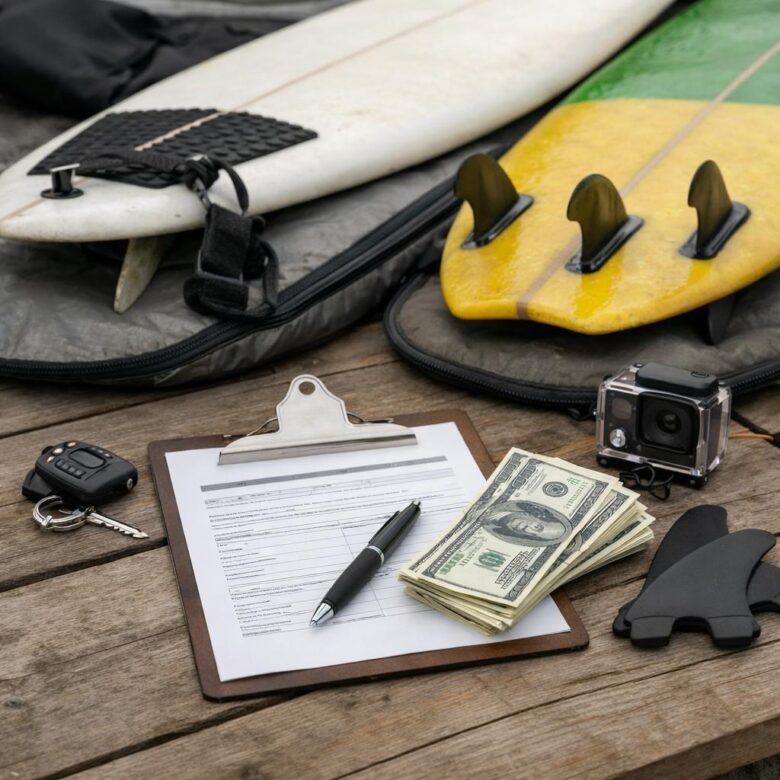
Another common issue is weak documentation. If your board is stolen from a garage, airline baggage area, or roof rack, the insurance company may ask for purchase receipts, serial numbers, photos, and proof of ownership; saving these in Google Drive or a home inventory app can make the claims process much smoother.
- Not scheduling expensive boards: A custom longboard or performance shortboard may need a personal articles policy or scheduled property endorsement.
- Ignoring transit exclusions: Some travel insurance policies cover baggage theft but not cracked rails, pressure dings, or airline handling damage.
- Using vague repair estimates: Get a written quote from a reputable ding repair shop with photos before accepting a settlement.
A real-world example: a surfer who files a claim for a $1,200 board stolen from a car may be denied if there was no forced entry or if gear left in a vehicle is excluded. Even when covered, the payout may be reduced if the board was several years old and the policy does not include replacement cost coverage.
Before buying surfboard insurance, read the exclusions, deductible, coverage limits, and claim requirements carefully. The cheapest policy is not always the best value if it fails when your most expensive surf gear is damaged, stolen, or lost during travel.
Closing Recommendations
Expensive surf gear deserves the same risk planning as any high-value equipment. The right choice depends on how often you surf, where you travel, and whether your board is stored, transported, or flown regularly.
Practical takeaway: check your home, renters, travel, or specialist sports policy before assuming your surfboard is covered. Pay close attention to exclusions for airline damage, theft from vehicles, competition use, and unattended gear.
If your board is costly, custom, or essential to your lifestyle, dedicated surfboard insurance can be worth the premium. If not, strengthen storage, transport, and documentation first.